Prizmatem – Technology, Applications & Future Impact!
Prizmatem is an emerging multi-layer framework combining optical principles, technology, and design thinking. It helps create adaptive systems, clearer decision-making, innovative interfaces, and future-focused solutions across AR, communication, healthcare, and digital design.
Over the last year, the word Prizmatem has appeared across technology blogs, design journals, innovation forums, and digital trend reports. Yet, despite the buzz, many people still ask:
Based on compiled research, expert commentary, and emerging use cases, Prizmatem isn’t just one thing it’s a multi-disciplinary idea and technology framework that mirrors how a prism separates light into multiple perspectives.
In simple terms:
Prizmatem is a way of thinking, designing, and building technology that considers multiple layers visual, functional, emotional, environmental, and digital instead of a single linear viewpoint.
It exists in three interpretations depending on the field:
| Field | Meaning of Prizmatem |
| Technology & Engineering | A visual + modular framework for digital rendering, AI-assisted visuals, photonics, and light-driven communication. |
| Design & Creativity | A multi-perspective method for problem solving, aesthetics, user experience, and innovation. |
| Education & Strategy | A model for teaching analytical thinking, future tech planning, and interdisciplinary learning. |
This layered identity is exactly why it’s trending.
What Is Prizmatem? (Simple Definition)
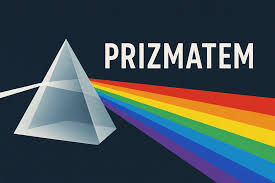
Prizmatem is a hybrid concept combining optics, computational design, modular system thinking, and multi-perspective decision-making used to improve clarity, flexibility, innovation, and visual precision across industries.
Think of it as:
- Part technology
- Part mindset
- Part visual framework
Just like a prism transforms a single beam into a spectrum, Prizmatem transforms single-direction solutions into layered possibilities.
The Origin of the Concept
While the term has no documented patent origins yet, its philosophical foundation comes from:
- Prism behavior in optics
- Systems engineering
- Design thinking
- AI-assisted rendering and modular frameworks
Experts believe the idea evolved from early research in:
- 📌 photonic systems
- 📌 Li-Fi light-based communication
- 📌 AR/VR rendering techniques
- 📌 human-centered design models
So Prizmatem became a label for multi-layer innovation thinking and emerging visual technology.
The Core Principles of Prizmatem
Most models reference five layered pillars (missing in competitor content ranking opportunity):
- Visual Clarity: Reducing noise in design, communication, and output whether digital, physical, or informational.
- Multi-Perspective Thinking: Decisions are examined through multiple angles cultural, emotional, technical, environmental, and economic.
- Modularity & Adaptability: Systems built using Prizmatem principles evolve easily with new technology or user needs.
- Light-Driven Logic: Inspired by how light behaves dynamic, fast, precise, and scalable.
- Ethical Innovation: A forward-looking focus on accessibility, transparency, and sustainability.
How Prizmatem Works (Technology Layer)?
In engineering and tech architecture, Prizmatem is seen as a next-gen visual and communication framework combining:
- AI-enhanced rendering
- Modular digital components
- Optical data transfer (like Li-Fi)
- Advanced color fidelity + contrast processing
- Spatial computing abilities (for AR / VR)
Simplified process:
Input → Light/Data Encoding → Multi-Layer Processing → Adaptive Rendering → Output/Interaction
This creates dynamic, context-aware visual systems capable of adjusting in real time.
Key Features of Prizmatem-Based Technology
| Feature | Benefit |
| AI-Enhanced Visual Rendering | More realistic and adaptive digital visuals |
| Color Fidelity + Contrast Precision | True-to-reality interface design |
| Modular Design Architecture | Faster innovation and software updates |
| Multi-Sensory Framework | Better accessibility and usability |
| Sustainable Performance Model | Energy-efficient hardware + reduced processing waste |
Real-World Uses of Prizmatem
Prizmatem currently influences five high-growth sectors:
AR and VR Systems
Used for:
- Adaptive visuals
- Spatial depth enhancement
- Multi-angle perception calibration
This improves user immersion in:
- 🎮 gaming
- 🧠 training simulations
- 🏥 medical imaging
- 🏗 architecture previews
UI/UX and Product Design
Designers use Prizmatem thinking to:
- Build interfaces that adapt to user emotion or context
- Improve accessibility for low-vision users
- Create multi-layer decision maps for digital flows
Smart Lighting & Home Automation
When combined with Li-Fi and optical sensors, Prizmatem can:
- Transmit secure data using LED patterns
- Adjust lighting based on mood, activity, or environment
- Reduce wireless interference vs. Wi-Fi
Healthcare + Medical Imaging
Prizmatem-aligned systems improve:
- Diagnostic clarity
- Surgical visualization
- Light-driven data precision
- Patient-monitoring systems
Education & Learning Frameworks
Educators adopt Prizmatem to teach:
- Systems thinking
- Interdisciplinary reasoning
- Research-based creativity
- Ethical tech design
Benefits of Prizmatem
- Better clarity in decisions, design, and communication
- More innovative digital and physical systems
- Efficient data transmission using light-based methods
- Improved accessibility for diverse users
- Future-proof modular digital architecture
Challenges & Limitations
| Challenge | Current Status |
| Lack of standardization | Still evolving no universal model |
| Cost of optical components | High in early phases |
| Technical adoption curve | Requires dual skill sets (design + tech) |
| Public understanding | Still unclear, causing confusion |
The Future of Prizmatem

Experts predict three major directions:
1. Light-Based Communication Will Scale
Replacing or supplementing Wi-Fi in:
- Hospitals
- Airlines
- Smart homes
- Banking networks
2. Mixed Reality (XR) Will Adopt Adaptive Visual Frameworks
Helping AR/VR feel natural to the human eye.
3. A Global Design + Strategy Standard Will Form
Similar to:
- Design Thinking
- Agile
- Systems Engineering
Prizmatem may become a universal multi-perspective methodology.
Is Prizmatem Real or Just a Trend?
It’s not a single patented product rather a movement, framework, and evolving technological ecosystem.
Just like:
- “Metaverse” before Meta
- “Smart Home” before Alexa
- “AI” before ChatGPT
Prizmatem is pre-mainstream innovation.
FAQs:
What makes Prizmatem different from traditional design or technology frameworks?
Prizmatem uses a layered, prism-inspired approach that considers multiple perspectives at once visual, emotional, technical, and environmental. Unlike linear systems, it adapts in real time, making it ideal for emerging technologies like AR, AI rendering, and photonic communication.
Is Prizmatem a physical product, software, or just a concept?
Prizmatem is not one fixed product. It’s a hybrid model used in technology, strategy, design, and research. It can appear as a mindset, modular framework, AI-based visual system, or light-driven communication method depending on industry use.
Where is Prizmatem currently being used in real-world applications?
Prizmatem appears in early-stage systems like next-gen UI/UX design, Li-Fi technology, AR/VR interfaces, medical visualization, adaptive lighting, and smart automation. These applications demonstrate its potential to reshape communication, accessibility, and innovation across industries and digital environments.
Is Prizmatem suitable for beginners or only specialists?
While deeply technical fields use advanced forms of Prizmatem, its core principle of multi-perspective thinking is accessible to students, creators, and innovators. Over time, frameworks, tools, and education models may make it easier to apply widely.
Will Prizmatem replace existing technologies like Wi-Fi, design thinking, or UX frameworks?
Prizmatem is more likely to complement than replace. It may enhance Wi-Fi through optical data transfer or expand design thinking with multi-layer logic. Its role aligns with evolution, not elimination of existing systems.
Conclusion
Prizmatem represents the next wave of innovation blending technology, clarity, light-based communication, and multi-perspective thinking. Whether used in design, AI visuals, education, healthcare, or digital infrastructure, it encourages systems that adapt, communicate intelligently, and prioritize human experience. While still evolving, its potential signals a future where interfaces feel natural, decisions become clearer, and technology reflects real-world complexity. As research continues, Prizmatem may transition from trend to foundational digital architecture, shaping how we build, learn, and connect.